Invisalign® clear aligners

Invisalign in Palo Alto

Clear aligner treatment for adults and teens, planned by Dr. Christopher B. Wong from a 3D digital scan, with check-ins built for busy schedules and retainers to keep your result.

382 five-star Google reviewsPPO ortho benefits checked first
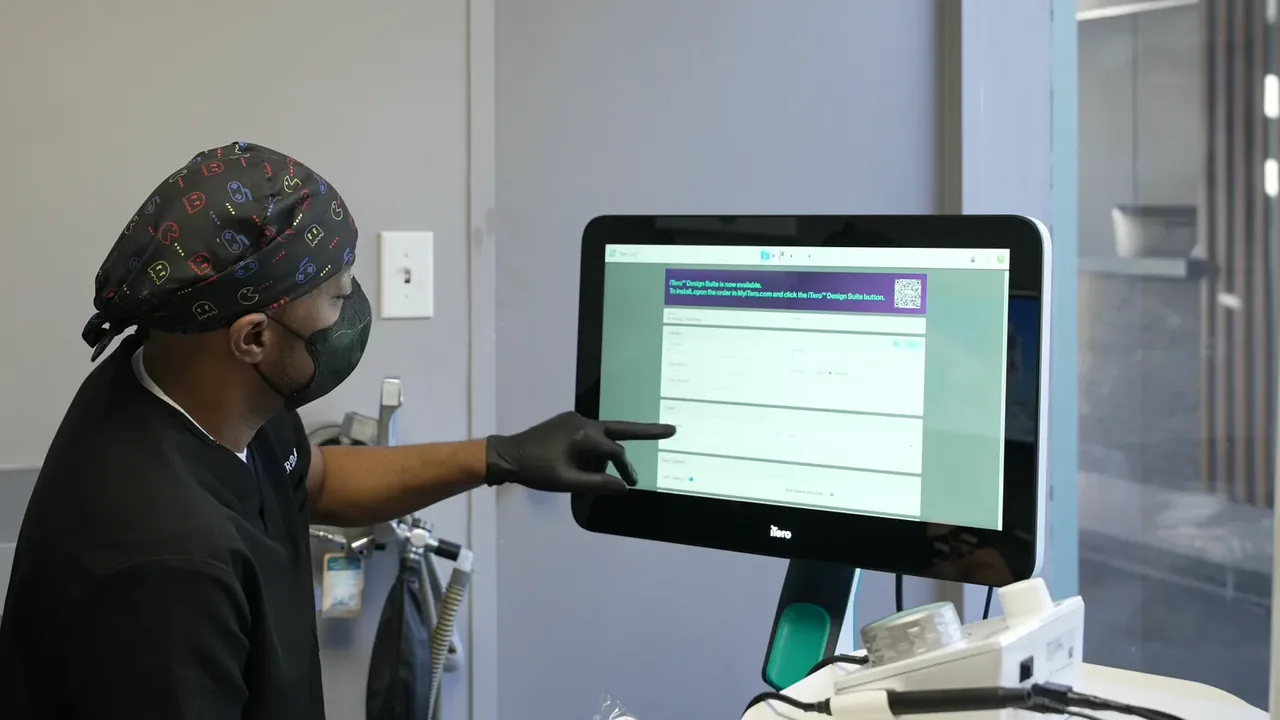
Jamal, registered dental assistant, reviewing a digital scan on the iTero screen
Planned by Dr. WongEvery plan is created from your scan and monitored at each check-in.
Typical length
About 12–18 months
Wear time
20–22 hours a day
Insurance
PPO ortho benefits may apply
Who
Planned and monitored by Dr. Wong

Clinically reviewed by Dr. Christopher B. Wong · Updated

Is it right for you?

Is Invisalign right for you?

Invisalign can treat many alignment and bite concerns, but the best option depends on your bite, gum health, and goals. The most important factor for success is consistent wear, typically 20–22 hours per day.

Invisalign can treat

  • Crowded teeth
  • Gaps between teeth
  • Overbite or underbite
  • Crossbite
  • Open bite
  • Crooked or misaligned teeth
  • Teeth shifting after past braces

Often a good fit for

  • Mild to moderate crowding or spacing
  • Teeth that shifted after previous orthodontics
  • You’re a teen or adult who wants removable aligners
  • You can wear aligners 20–22 hours per day

A few important considerations

  • Active gum disease or untreated cavities (we’ll address these first)
  • More complex bite issues that may be better treated with braces or specialist care
  • Trouble wearing aligners consistently (compliance matters)

If aligners aren’t the best option for long-term stability, we’ll explain alternatives and help you choose the right path.

The basics

What Invisalign is, and how it works

Invisalign® is a clear aligner system that straightens teeth using a series of custom-made, removable trays. Each set makes small, controlled movements, and you progress through aligners as directed so your smile improves step by step.

Because aligners are removable, you can eat normally and keep up with brushing and flossing. Your plan is based on a comprehensive exam and a digital scan, so tooth movement is mapped precisely and monitored along the way. Dr. Wong keeps movement conservative: the goal is to move teeth accurately, comfortably, and in a way that stays stable, not just quickly.

Is Invisalign faster than braces?

Sometimes, but not always. For the right case, Invisalign can be very efficient because treatment is digitally planned from the beginning and aligners make small, controlled movements in sequence. Braces may still be the better choice for certain complex cases, or for patients who know they’ll have trouble wearing removable aligners consistently. A personalized exam matters more than broad claims online.

Invisalign for every age

Whether you’re a teenager or an adult, Invisalign offers age-appropriate options designed to fit your lifestyle and orthodontic needs.

  • Invisalign for teens

    Features designed for teenage lifestyles, including compliance indicators and replacement aligners for lost or broken ones.

    • Blue dot wear indicators
    • Replacement aligners included
    • Designed for growing mouths
  • Invisalign for adults

    Discreet treatment for working adults who want to improve their smile without changing how they look at work.

    • Clear, discreet aligners
    • Minimal lifestyle disruption
    • No dietary restrictions

Your visits, step by step

Your Invisalign journey

From consultation to your new smile, here’s what to expect at our Palo Alto practice, and roughly how long each phase takes.

  1. 1

    Consultation and exam

    About 60 minutes

    Dr. Wong evaluates your teeth, gum health, and bite, and talks through your goals. Any cavities or gum inflammation are treated first, so aligners start on a healthy foundation.
  2. 2

    3D digital scan

    About 30 minutes

    A digital scan creates precise 3D images of your teeth and maps tooth movement more precisely than old-style impressions.
  3. 3

    Your custom treatment plan

    1–2 weeks

    Your plan shows the step-by-step movement of your teeth, about how many aligners you’ll need, and whether attachments or elastics will help.
  4. 4

    Aligners are made

    2–3 weeks

    Your custom aligners are made from your plan. You’ll get your first set plus clear instructions for wearing and caring for them.
  5. 5

    Treatment and check-ins

    12–18 months on average

    You switch to each new set as directed, often every one to two weeks, and come in periodically so we can confirm your teeth are tracking.
  6. 6

    Retainers protect your result

    Long-term

    Once your teeth are aligned, retainers keep them there: typically full-time for a short period, then at night long-term.

What can slow treatment down?

The biggest factor you control is wear time. If aligners aren’t worn 20–22 hours a day, teeth may not track, which can mean delays, extra trays, or more refinements.

  • Skipping check-ins
  • Losing trays and going too long without the right aligner
  • Not wearing elastics as directed
  • Bite issues that need slower, more controlled movement

Comfort and technology

  • A digital scan, not putty

    A 3D scan maps your teeth precisely and lets Dr. Wong plan each movement before your first aligner.

  • Pressure, not pain

    Expect a day or two of pressure or mild soreness with each new set, a sign your teeth are moving.

  • Removable for meals

    Take aligners out to eat and to brush and floss, so there are no food restrictions.

  • Check-ins that fit your week

    Visit frequency depends on your plan and how your teeth respond; we set the schedule with you at the start.

Details that keep you on track

Attachments, aftercare, and retainers

Many Invisalign plans include small details that make aligners more effective. We’ll explain what your case needs so there are no surprises.

Retainers after Invisalign

Teeth naturally want to drift, and the tissues around them need time to stabilize after they move. Most patients wear a retainer full-time right after Invisalign, then switch to nighttime wear. Consistent wear matters most in the first year.

  • Clear retainers made from durable plastic, often similar in look to aligners
  • Fixed retainers bonded behind teeth, in select cases

We’ll recommend the best option based on where your teeth are most likely to shift.

Attachments

Tiny, tooth-colored shapes bonded to select teeth help aligners grip and guide movements like rotations and root control. They don’t usually hurt, and they’re removed and polished away at the end.

Elastics (rubber bands)

Some cases use elastics to improve bite relationships. Not everyone needs them, and we’ll show you exactly where they hook and how to wear them if they’re part of your plan.

Refinements

Refinement aligners are common near the end to fine-tune details. Teeth don’t always move exactly as predicted, so refinements aren’t a sign anything went wrong.

Caring for your aligners

Proper care of your aligners is essential for successful treatment and good oral hygiene.

  • Wear aligners 20–22 hours per day for optimal results
  • Remove aligners when eating or drinking (except water)
  • Clean aligners daily with lukewarm water and mild soap
  • Brush and floss teeth before reinserting aligners
  • Store aligners in their case when not wearing them
  • Follow your scheduled aligner changes as directed

Retainer care, and when to replace one

  • Rinse after removal and clean daily
  • Avoid hot water, which can warp plastic
  • Store it in a protective case to prevent loss or pet damage
  • Bring retainers to checkups so we can confirm fit

If a retainer cracks, feels loose, or no longer fits snugly, don’t wait. Small shifts can happen quickly, and a replacement is usually easier than correcting movement later.

Cost, insurance & payment

Invisalign cost in Palo Alto: what affects it

Invisalign fees vary because every bite and timeline is different. After your exam and digital scan, you’ll get a clear, written estimate and a walk-through of insurance and payment options.

What affects your cost

  • How much tooth movement and bite correction you need
  • Whether attachments, elastics, or refinements are recommended
  • Any dental work needed before you start (cleanings, fillings, gum care)
  • Retainers and follow-up to protect your result
  • Orthodontic benefits through PPO insurance, plus HSA/FSA options

Before you start, confirm which aligners, check-ins, refinements, and retainers your written estimate includes. For the current consultation fee, call (650) 326-6319. We check PPO benefits as an out-of-network office; orthodontic coverage depends on your particular plan.

Your consultation checklist

  • Share your goals (crowding, spacing, bite, finishing touches)
  • Ask if you’ll need attachments, elastics, or refinements
  • Review estimated timing and how often you’ll check in
  • Confirm what’s included in the plan and retainer options
  • Bring insurance information so we can help estimate benefits
See a real patient storyInvisalign combined with whitening and bonding for a natural, confident smile.
  • Have PPO insurance?

    We’re out-of-network, but most PPO plans still pay a share of your care here. Many PPO plans include orthodontic benefits that can apply to Invisalign. Send us your plan and we’ll check your benefits and explain your portion before treatment.

  • No dental insurance?

    Ask about our in-house dental plan, which offers savings on preventive care and treatment.

  • Ways to pay

    We accept Visa, MasterCard, and FSA/HSA funds.

Patient reviews

What patients say

Reviews about care at our office; none of these mention Invisalign specifically.

All 382 Google reviews
  • “Dr. Wong's office is great! He is thorough, gentle, and always explains things clearly.”

    Jason JonesOn Dr. Wong
  • “Tremendous Doctor, listens well and very gentle and caring.”

    Tim SeniorOn Dr. Wong
  • “Dr Wong was amazing! The most gentle and attentive dentist I have ever!!!”

    JimmyOn Dr. Wong

Your care team

Who you’ll see

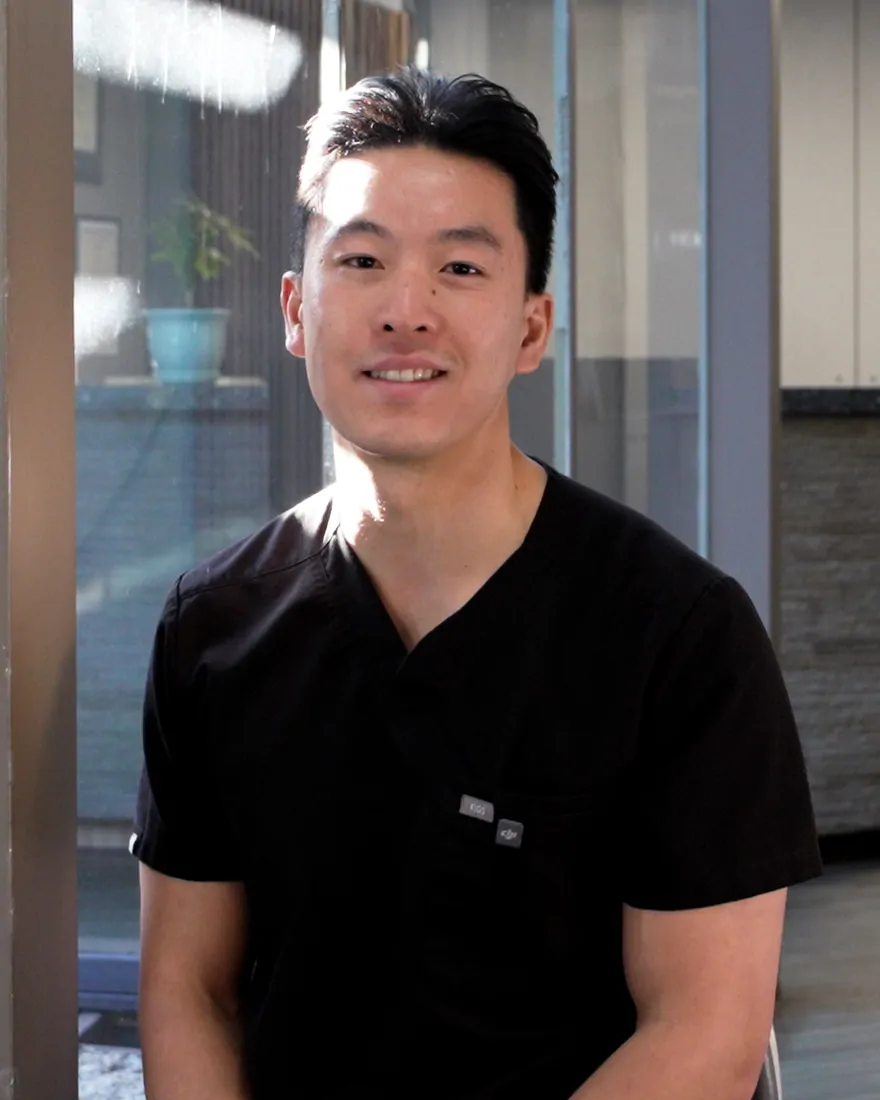
Dr. Christopher B. Wong

Dr. Christopher B. Wong

Dentist & practice owner

Dr. Wong creates and reviews every Invisalign plan from your 3D scan, keeps tooth movement conservative, and gives clear check-ins and retainer guidance so results stay stable.

  • UOP Dugoni School of Dentistry, 2018
  • ADA, CDA, and SCCDS member
Meet Dr. Wong
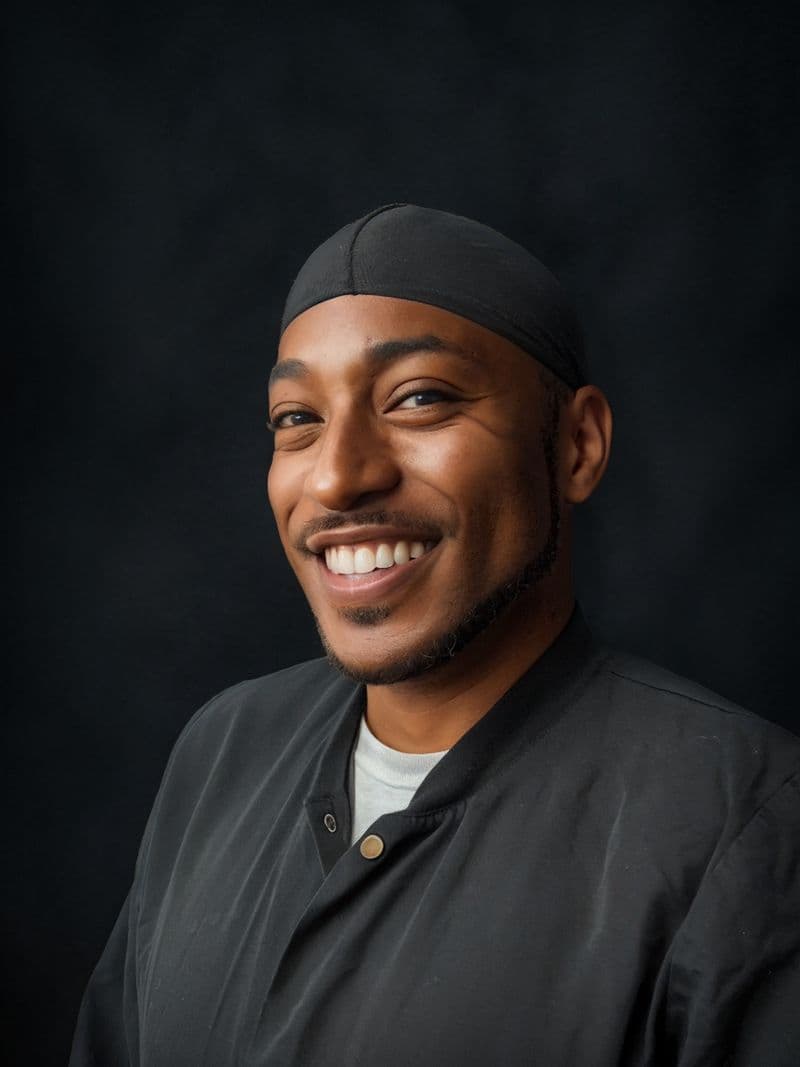
  • Jamal, Registered Dental Assistant

    Jamal

    Registered Dental Assistant

    Chairside support and comfort

  • Rachel, Insurance Coordinator & Front-Desk Lead

    Rachel

    Insurance Coordinator & Front-Desk Lead

    Your guide to benefits and costs

  • Meet the whole team

Questions

Invisalign FAQs

Clear answers to common questions about clear aligner treatment.

What happens at an Invisalign consultation with Dr. Wong?

At our Palo Alto office, Dr. Wong evaluates your teeth, gums, and bite, discusses your goals, and uses a digital scan to plan suitable treatment. You can review expected timing, attachments or refinements, retainers, and a written treatment estimate before deciding. Call the front desk to confirm the current consultation fee and what to bring.

Are refinements and retainers included in my Invisalign fee?

Ask us to confirm the inclusions in your individual written estimate. Review aligners, checkups, any refinement aligners, retainers, and replacement costs before starting. Do not assume that another provider’s advertised package or insurance estimate applies to your plan here.

How long does Invisalign treatment take?

Most Invisalign cases take about 12–18 months, but timing depends on the complexity of your bite and how consistently you wear your aligners. Some minor corrections can finish sooner, while more involved plans may take longer. We’ll review your estimated timeline after your digital scan.

How many hours per day do I need to wear aligners?

For the best results, aligners should be worn 20–22 hours per day. You’ll take them out to eat, drink anything besides water, and brush and floss, then place them right back in.

Does Invisalign hurt?

You may feel pressure or mild soreness for a day or two when you switch to a new set of aligners. That’s a sign your teeth are moving. Most patients find the discomfort manageable and far less irritating than braces.

Can I eat and drink normally with Invisalign?

Yes—one of the biggest benefits is that you remove aligners to eat. That means no food restrictions. We recommend brushing before reinserting aligners to keep trays clear and reduce the risk of cavities.

How much does Invisalign cost?

Cost varies based on the amount of tooth movement needed. During your consultation we’ll outline a clear fee estimate, expected phases, and payment options. Many PPO plans include orthodontic benefits that can apply to Invisalign.

Will I need attachments or rubber bands?

Some Invisalign plans use small, tooth‑colored attachments to help aligners grip and guide specific tooth movements. Rubber bands (elastics) are sometimes used to correct bite relationships. Not every case needs these—your exam and digital scan will determine what’s appropriate.

How often are Invisalign checkups?

You’ll return for periodic checkups so we can confirm your teeth are tracking and make any needed adjustments. Visit frequency varies by plan and how your teeth respond, and we’ll outline your schedule at the start.

Where is your Palo Alto Invisalign office located?

We’re located at 409 Cambridge Ave, Palo Alto, CA 94306. We welcome Invisalign patients from Palo Alto, Menlo Park, Stanford, and Mountain View.

What happens after Invisalign is finished?

Once your teeth are aligned, you’ll wear retainers to maintain the result. Retainers are typically worn full‑time for a short period and then at night long‑term. We’ll guide you on a schedule that keeps your smile stable.

Invisalign patients visit our Cambridge Avenue office from Menlo Park, Stanford, Mountain View and Los Altos; see all the areas we serve.

From the blog

All articles

Your next visit

Ready to see if Invisalign fits?

Request a consultation online in about a minute, or call the front desk. You’ll leave your first visit with a scan, a clear plan, and an honest answer about whether aligners are right for you.